Chieftaincy Politics and the Explosion of the Anglophone (Ambazonian) Crisis in Cameroon

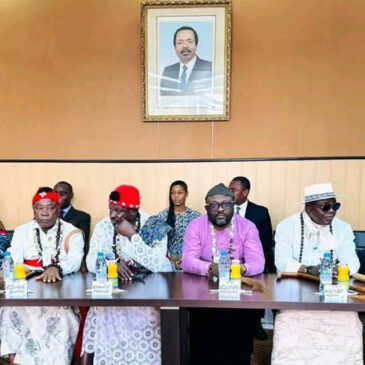
This chapter is a continuation of my efforts to investigate and elaborate on the intercalary position of traditional rulers in Africa, specifically those in the Anglophone regions of Cameroon (Fokwang, 2005, 2009, 2011). Many scholars and activists continue to see traditional rulers as ‘decentralized despots’ (Mamdani, 1996) with little to offer other than acting as brokers for political capital between an unpopular centralized state machinery and a largely dispossessed rural peasantry (Fisiy, 1995; Jua, 1995).

Cultivating Moral Citizenship

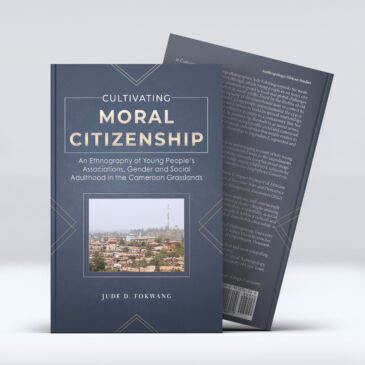
In Cultivating Moral Citizenship, ethnographer, Jude Fokwang unpacks the meanings, mechanisms and processes through which young people in an inner city of the West African nation of Cameroon respond to local and global challenges as they seek to position themselves as social adults.

The Cultural Diffusion and Analysis of a Symbol Complex

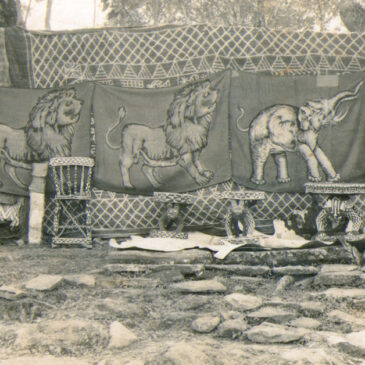
In his book, Lela in Bali: History through Ceremony in Cameroon (2006), anthropologist, Richard Fardon contends that Lela could be understood as a “barometer of the state of play in Bali politics: a ceremony that has adjusted to reflect the changing composition and external relations of the community” (2, italics mine). To extend this argument, it’s absence over several consecutive years could also index the state of politics – one that shows the growing dissonance between the ruled and the rulers.

Drinking from the Cosmic Gourd – A Review

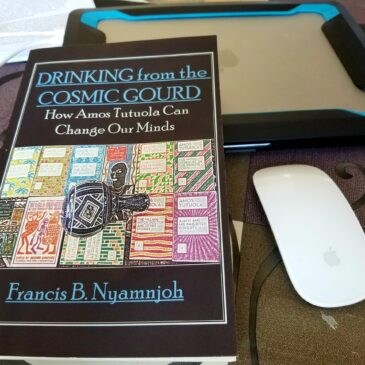
Drinking from the Cosmic Gourd by Francis B. Nyamnjoh is a deeply infused treatise that aims to exorcise a hegemonic spell, occasioned by the ready-made epistemologies that have enthralled its consumers and reproducers in a dreamy state since the colonial age.